Code
Ship real internal capabilities in two focused days. Not slides, not prototypes that die.

Internal · October 19–20 · Flight deck open
Fasten your seatbelts. We are cleared for takeoff.
To come on board to our hackathon, click here!
Flight GO7-HACK · Cleared for takeoff
Flight itinerary
Passenger manifest
GO7 Hackathon
Flight GO7-H26
BOARDING OPEN
October 19–20
Day 1 · 09:00
Day 2 · 16:30
Internal tools · GO7
TEAM SIZE 3–4 · CROSS-TEAM ENCOURAGED
Seat assignment: your squad
Ship real internal capabilities in two focused days. Not slides, not prototypes that die.
Solve one clearly defined internal problem with clever, practical solutions people will use.
Think small enough to ship. Useful enough to matter. Aim for production-ready by Day 2.
Ground control · HQ
One mission across GO7 worldwide. Two days to ship what lasts.
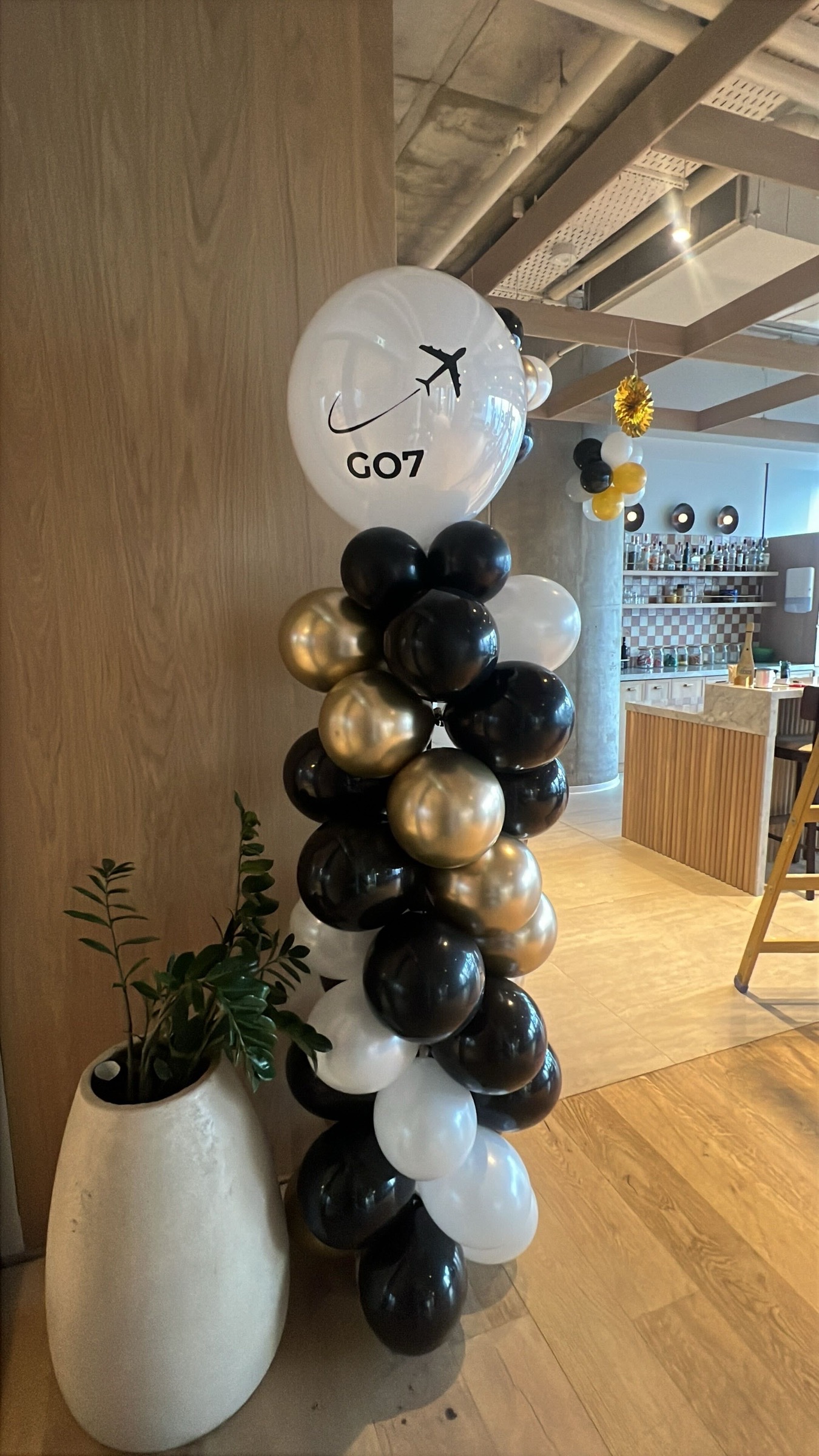
Flight mark
Cleared for takeoff
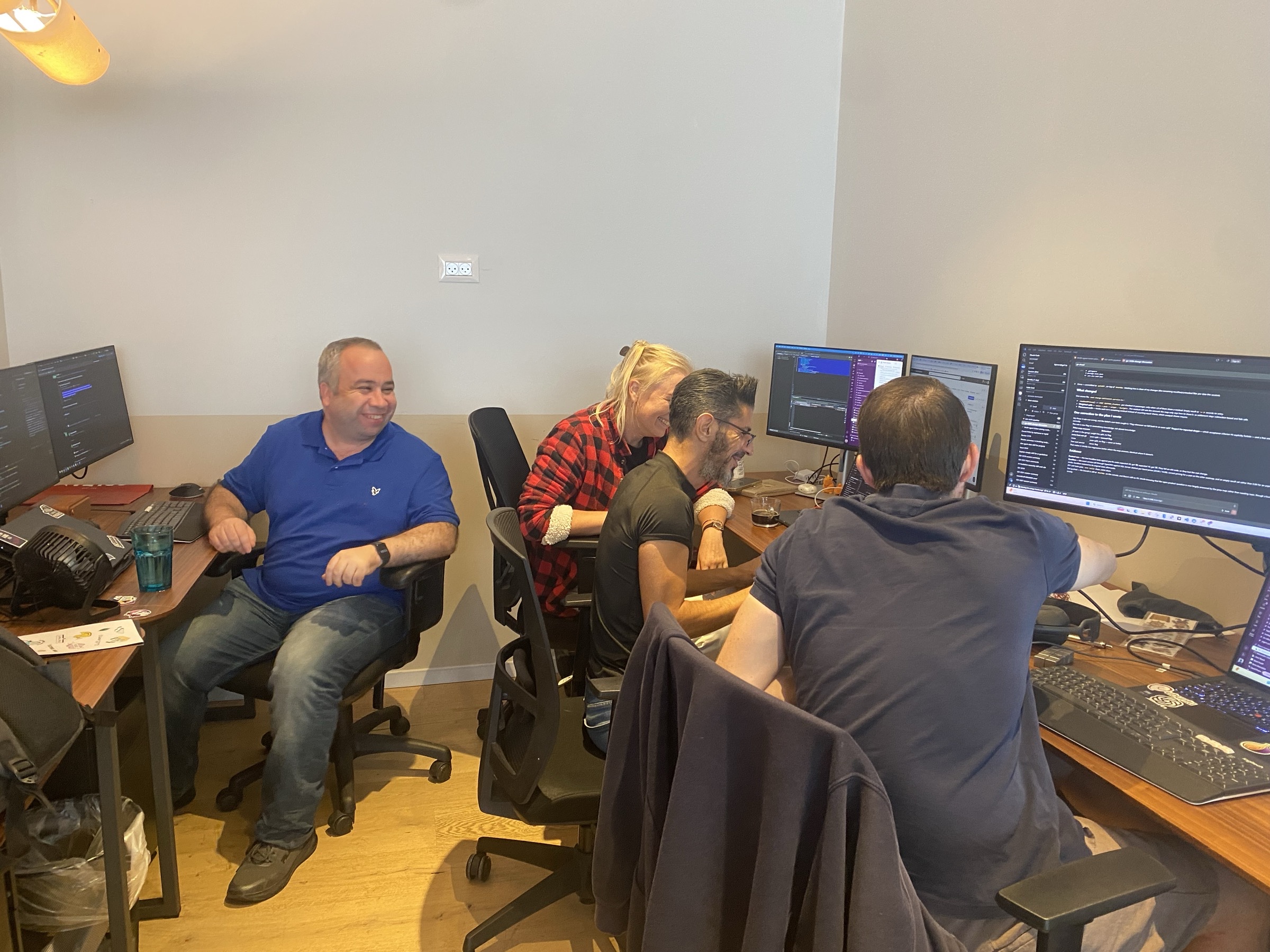
Crew assembly
Cross-team. Face-to-face. Shipping together.
GO7 worldwide·Focus days · shared energy · real demos
Operating principle
01 · Mission brief
Two-day internal hackathon focused on improving how we work internally. The goal is to build real, usable capabilities, not customer-facing features.
Where possible, solutions should be production-ready and available for actual use by the end of the hackathon.
Think small enough to ship. Useful enough to matter.
Operating principle
Teams focus on a single, clearly defined internal challenge.
Cross-team collaboration is encouraged across GO7.
Roadmap work and meetings minimized. Emergencies excepted.
02 · Flight rules
03 · Flight path
Four stages from announcement to demos. Keep Confluence submissions intentionally short, and scope ruthlessly.
Stage 01
Send a company-wide kickoff communication covering purpose, dates, problem types, team expectations, process, and definition of success.
Stage 02
Employees form teams of 3–4 people and submit their ideas. Each team fills the Hackathon Confluence page.
Keep this intentionally short.
Stage 03
Short meeting with each team before the hackathon.
Output: Approved scope documented on the team's Confluence page.
Stage 04
Two days of focused build: kickoff, deep work, submit, demo, celebrate.
Day 1
Day 2
04 · Showcase
Prefer live demos over presentations.
05 · Judging
Keep judging simple. Five clear lenses.
Impact
Does it solve a meaningful internal problem?
Usability
Can people actually use it?
Completeness
How close is it to production / real usage?
Efficiency
Does it save time, effort, or cost?
Creativity
Is there something clever or innovative about the solution?
Success means that we produce capabilities that continue to be used after the event.
Suggested target
At least 3 hackathon projects in real internal use within two weeks.
This brief stays at this level. Two additional artifacts come later: the kickoff announcement, and the short Confluence idea-submission template.
To come on board to our hackathon, click here!
Flight GO7-HACK · Cleared for takeoff